女生怒撕港独标语
iQOO 16首批搭载高通第六代骁龙8超级至尊版:剑指安卓最强性能_我的网站

A |
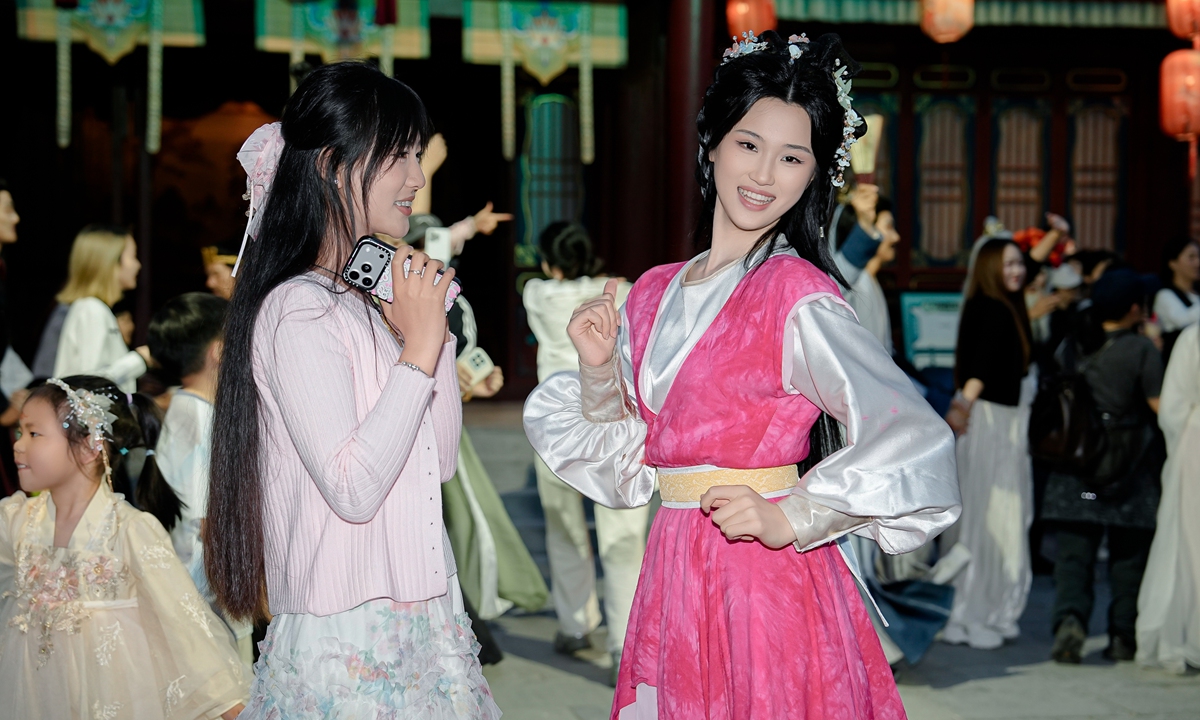
Chinese actress Luo Xinyuan played Huang Rong, a beloved wuxia heroine, at Hengdian World Studios. Photo: Courtesy of Luo XinyuanAs China's once-thriving live-action short drama industry looses speed due to the weight of AI-generated content and shrinking investment, a growing number of young actors who once starred in micro-dramas are moving to a different kind of stage: playing roles at cultural tourist attractions.
There, they play martial arts heroes and folk characters for live audiences, finding steadier income and real-time connection with viewers.
"Earning a living with your own hands is nothing to be ashamed of," actress Luo Xinyuan told the Global Times, even as many still hold out hope, waiting for good scripts.
The migration reflects a stark reality. In the first quarter of 2026, AI micro-dramas accounted for more than 95 percent of all micro-dramas released industry-wide, sharply squeezing the space for live-action productions.
By July, pay for leading actors had shrunk by over 50 percent, mid-tier actors by more than 80 percent on average, and daily wages for bottom-rung extras had fallen into double digits, China's CCTV reported.
Luo, a 21-year-old actress, experienced the downturn firsthand. She came to Hengdian, China's largest film and television production base, to shoot short dramas. "When I first arrived, there were many crews preparing in one hotel. Now sometimes there are only one or two, or none," she told the Global Times.
This May, she began playing the role of Huang Rong, a beloved wuxia heroine, at Hengdian World Studios. Her daily routine includes interactive stage competitions, parades and live audience interactions, working nearly 13 hours daily during the peak summer season.
"It's tiring but fulfilling," Luo said. "There are no scripts here. It's more about playing with visitors face to face." The change has eased her anxiety. "When I was filming, I kept worrying about the next job. Now I feel more stable."
Yin Jiaxuan, 25, took a different route. He started his career as a professional character performer at major theme parks, starring in immersive shows based on popular game and film IPs before transitioning to short dramas and online movies in mid-2024.
At the industry's peak, he moved seamlessly between sets.
"One crew wrapped, and the next was already arranged. I'd go straight to makeup the next day and start filming the day after," he said. Now he keeps both identities, taking film roles when they come and returning to scenic spots during holidays.
Yin rejects the stigma that screen acting is the only proper path.
"Screen acting is seen as the professional main road, while street-level performance is treated as amateur work. This invisible prejudice has trapped many performers," he said. Yet the tangible stage offers something the camera cannot.
"Performance comes from life and is higher than life - that is the core of film creation. But now I realize that beyond artistic expression, performance is about building human connections."
Both actors shared that theme park characters must do more than act; they must draw tourists into the scene, delivering emotional value on demand. Visitors come to the scenic spot not just to sightsee, but "to step into a fantasy."
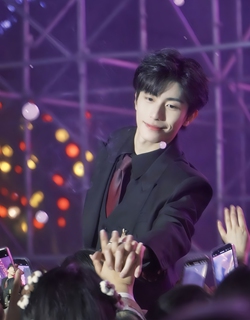
Yin Jiaxuan Photo: Courtesy of Yin JiaxuanScenic areas are reaping the benefits. Media outlets have reported that in Kaifeng's Wansui Mountain Martial Arts City, Central China's Henan Province, tourists who interacted with these characters stayed an average of 2.3 hours longer per day.
Every extra 30 minutes of stay raises the probability of secondary consumption by about 25 percent, according to local data. Revenue jumped from about 80 million yuan ($11.86 million) in 2022 to 1.27 billion yuan in 2025.
While Hengdian World Studios has used characters to boost repeat visits, with annual pass holders returning multiple times "for a specific character."
Cultural scholar Yu Jinlong told the Global Times that the influx of trained actors is upgrading immersive tourism.
"In the past, theme park characters were mostly amateurs doing costume photos. Now professional actors can build complete characters, improvise and connect storylines, turning scenic spots into open-air theaters," he said.
Yu pointed out the uniqueness of China's character boom compared with global immersive entertainment.
"Unlike Western theme parks that rely heavily on mature imported IPs and standardized performances, China's scenic character culture is rooted in local wuxia (martial hero) history and folk customs, encouraging personalized improvisation. Many local scenic spots create hit immersive projects with small investments, forming a unique online-offline communication loop via social media," Yu said.
As China's cultural consumption shifts from sightseeing to participation, Yu said the young actors swapping short drama sets for scenic spots may be shaping a new hybrid career for the country's entertainment workforce.
For Luo, the recognition from visitors is a reward in itself.
"There are tourists who travel from far away just to see my performance. It feels good to be recognized," she said. "Actually, I'm still exploring too. But I think you should do what you love, as long as you have the ability."
。 8月25日消息,
iQOO 16(注:型号为V2606A)现身Geekbench跑分网站,该机搭载高通第六代骁龙8超级至尊版平台,单核成绩为3434分,多核成绩为9334分。
这是iQOO 16的早期工程机跑分数据,性能尚未完全释放,量产机型的实际单核成绩预计将突破4000分,多核成绩也将破万。
iQOO 15
在规格方面,高通第六代骁龙8超级至尊版的CPU由2颗5.01GHz超大核、3颗4.03GHz性能核和3颗3.74GHz能效核组成,集成Adreno 850 GPU,基于台积电最先进的2nm工艺制造,是高通旗下首款2nm手机芯片。 除了搭载顶级芯片,iQOO 16另一大亮点在于屏幕。该机将搭载由iQOO与三星联合研发的新一代2K三星珠峰屏,屏幕素质达到行业顶级水准。 回顾上代产品,iQOO 15便已配备2K三星珠峰屏,采用三星M14发光材料,支持1至144Hz LTPO自适应刷新率,手动峰值亮度为1000尼特,全屏峰值亮度为2600尼特,局部峰值亮度高达6000尼特,覆盖118% P3色域并支持杜比视界。

B | 配合508PPI的像素密度,显示效果极为通透细腻,而且iQOO 15的屏幕取消了传统OLED屏幕中的偏光层,改用纳米光刻滤光膜,使光线穿透效率提升40%,功耗降低44%,屏幕寿命延长50%。
在此基础上,iQOO 16将在显示效果、护眼表现和功耗控制等多个维度实现进一步突破。新机最快将在9月份正式发布,届时其完整的性能和屏幕表现也将同步揭晓。
【本文结束】如需转载请务必注明出处:
责任编辑:振亭
文章内容举报
。
Current article:http://2opx5f.licuqiangraosuiheizhua.pics/news/20260826_14169.html
Published on:13:15:42